Before HEMIs, Wedges, and Dual-Quads, before Chrysler Corporation’s inception, there were the Dodge Brothers. In 1900, Horace and John Dodge laid the foundation in Detroit, crafting precision machinery. By 1914, their dedication to craftsmanship led to the creation of the Model 30, setting the stage for the iconic 1966 Dodge Charger that would define the muscle car era.
Unveiling the Legend: 1966 Dodge Charger
The Charger’s Humble Beginnings
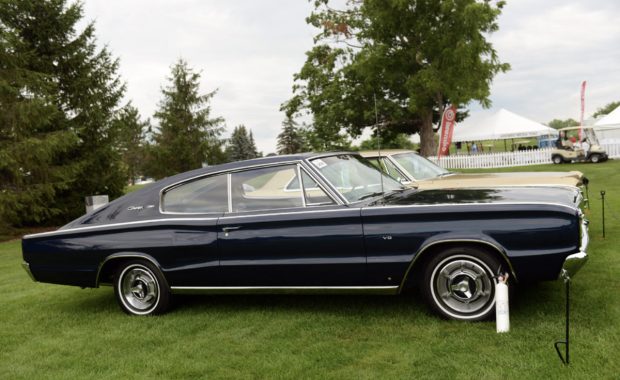
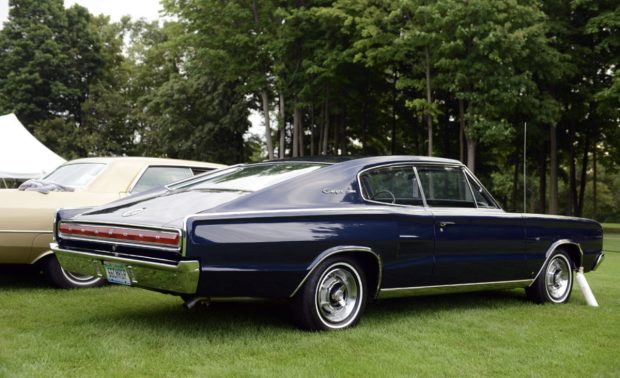
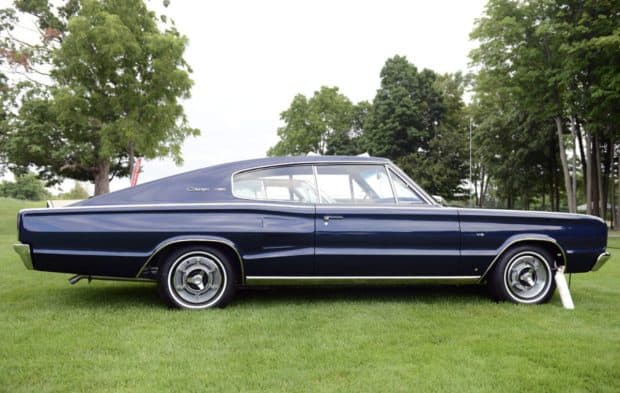
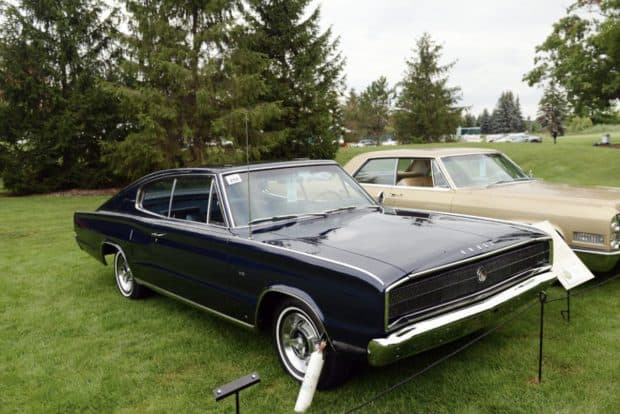
The 1966 Charger emerged as a mid-size B-body Coronet, sporting a sleek fastback roofline, concealed headlights, and comfortable bucket seats. Offering engines from the modest 318 CID to the mighty 425 HP 426 Hemi, it became a success on and off the track, solidifying Dodge’s dominance in the 1960s muscle car scene.
A Labor of Love: Restoration and Refinement
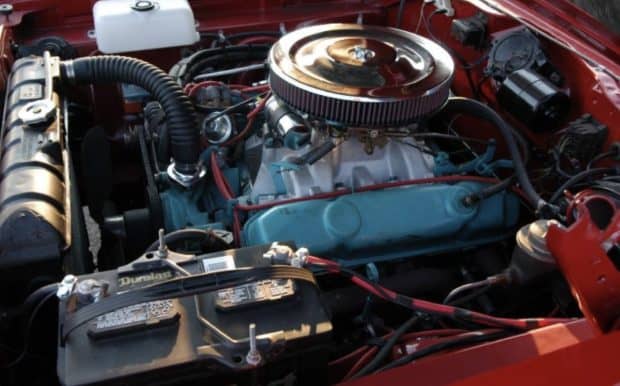
The current owner took on an ambitious restoration, personally conducting extensive chassis work, rebuilding the 361 V-8 engine and TorqueFlite transmission, and applying a masterful fresh coat of paint. While retaining its original 3.23 gearset, new seals and wheel bearings enhance performance. The addition of a dual master cylinder and power brakes improves safety and drivability, showcasing a perfect blend of preservation and enhancement.
The ‘Boss Hoss’ Era
The 1966 Hemi Charger earned its ‘Boss Hoss’ nickname for a reason. With a potent engine that had already conquered racetracks, it was ready to power production street models. The distinctive full-length console, luminous turbine-pod dash cluster, and signature fastback roofline made the 1966 Charger a standout in the muscle car arena.
Evolution of the Charger
From Concept to Reality
The Charger’s journey began as a styling concept in 1964, with the 1965 Charger II concept building anticipation. In 1966, the production model captured hearts with its resemblance to the Charger II, setting the stage for future generations.
Design Innovations
Riding on the reliable Coronet chassis, the 1966 Charger featured iconic elements like concealed headlights, full-width taillights, and a unique convex grille. The interior accommodated four occupants, with a distinctive instrument panel and a floor shift nestled within a full-length console.

Ongoing Evolution
Subsequent years brought updates, with the 1971 model meeting safety and emissions standards. The Charger persisted through generations, with a return in 1981 taking on a new identity as an economy subcompact hatchback coupe.
1966 Dodge Charger Specifications
The two-door hardtop (fastback) boasted a 117-inch wheelbase, a width of 75.8 inches, and an overall length of 203.6 inches.
Powerhouse Engines:
- Two-barrel 318 CID V8 (230 HP)
- 361 CID V8 (265 HP)
- Four-barrel 383 CID V8 (325 HP)
- 426 Street Hemi (425 HP, found in only 468 Chargers)
Transmission Choices:
- A230 three-speed manual
- A833 four-speed manual
- TorqueFlite three-speed automatic
NASCAR Dominance
Entering NASCAR, the 1966 Charger faced aerodynamic challenges, leading to the introduction of a small lip spoiler for enhanced traction at high speeds. This innovative feature became a dealer-installed option, marking the 1966 Charger as the first U.S. production vehicle to offer a spoiler.
Racing Glory
In 1966, David Pearson’s victories in the #6 Cotton Owens-prepared Dodge at NASCAR events showcased the Charger’s capabilities, securing its racing legacy.
In Conclusion
The 1966 Dodge Charger is a symbol of American automotive excellence, blending power, style, and innovation. From concept to production, its remarkable design features, and racing dominance continue to captivate enthusiasts, cementing its place in muscle car history.