
The Chevrolet Nova is a classic American car that left an enduring mark on automotive history. Introduced in 1962 as a compact car, the Nova quickly gained popularity for its combination of affordability, reliability, and performance. In this article, we’ll explore the origins, evolution, and legacy of the Chevrolet Nova.
Chevrolet Nova – Origins and Early Years
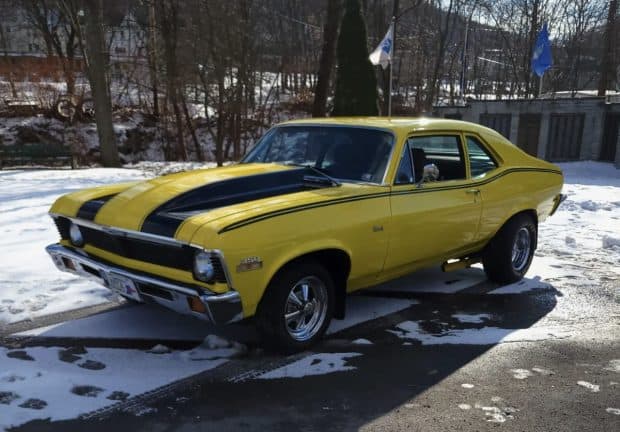
The Chevrolet Nova was introduced as a response to the growing demand for compact cars in the early 1960s. It was initially marketed as the Chevy II before being rebranded as the Nova in 1968. The first-generation Nova featured a simple yet stylish design and offered a range of engine options to suit different driving preferences.
Evolution of Design
As the Nova entered subsequent generations, it underwent several design changes to keep up with shifting automotive trends. The second-generation Nova, introduced in 1966, featured a more streamlined exterior design and offered performance-oriented SS models with larger engines. Subsequent generations continued to refine the Nova’s design, adding modern amenities and styling cues.
Here’s an overview of the different generations:
- First Generation (1962-1965):
- The first-generation Chevrolet Nova, initially known as the Chevy II, was introduced in 1962. It was available in sedan, coupe, and wagon body styles. Engine options included inline-six and V8 engines. This generation established the Nova’s reputation for practicality and reliability.
- Second Generation (1966-1967):
- The second generation of the Chevrolet Nova featured a redesigned body with a more angular and aggressive appearance. It was offered with a range of engine options, including small-block V8 engines for increased performance. The Nova SS (Super Sport) was introduced during this generation, catering to enthusiasts seeking higher performance.
- Third Generation (1968-1974):
- The third-generation Chevrolet Nova, often considered the most iconic, debuted in 1968. It featured a sleeker design with distinctive body lines and was available in coupe, sedan, and wagon variants. This generation saw the introduction of the Chevy II name being dropped, with all models simply branded as the Nova. The Nova SS continued to be offered, with high-performance engine options.
- Fourth Generation (1975-1979):
- The fourth generation of the Chevrolet Nova saw a shift towards a more compact and fuel-efficient design in response to changing market demands. It featured a smaller body and was available in coupe and sedan body styles. Engine options included inline-four and inline-six engines, reflecting the focus on fuel economy during this era.
- Fifth Generation (1985-1988):
- After a brief hiatus, the Chevrolet Nova name was revived for the fifth generation, which was essentially a rebadged version of the Toyota Corolla. It featured a front-wheel-drive layout and was available in sedan and hatchback variants. While it retained the Nova name, it was quite different from its predecessors in terms of design and engineering.
These are the main generations of the Chevrolet Nova, each with its own characteristics and contributions to the Nova’s legacy in the automotive world.
Performance and Power
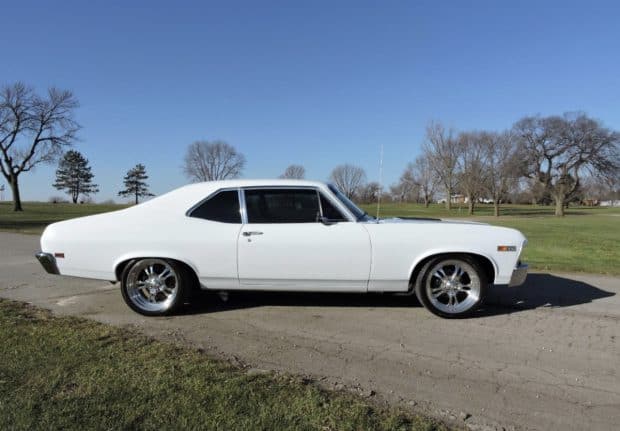
Despite its compact size, the Chevrolet Nova was known for its impressive performance capabilities. Over the years, it was offered with a variety of engine options, including inline-six and V8 engines, delivering a balance of power and efficiency. The Nova SS models, in particular, were revered for their potent V8 engines and sporty driving dynamics.
Versatility and Practicality
One of the key selling points of the Chevrolet Nova was its versatility and practicality. It was available in multiple body styles, including sedans, coupes, and wagons, offering ample passenger space and cargo capacity. The Nova’s compact dimensions made it easy to maneuver in urban environments while still providing a comfortable ride for passengers.
Racing Legacy
The Chevrolet Nova’s performance capabilities also made it a popular choice for drag racing enthusiasts. Its lightweight construction and potent V8 engines made it a formidable competitor on the drag strip, earning it a reputation for speed and agility. Many aftermarket companies offered performance parts and modifications for the Nova, further enhancing its racing potential.
Enduring Popularity
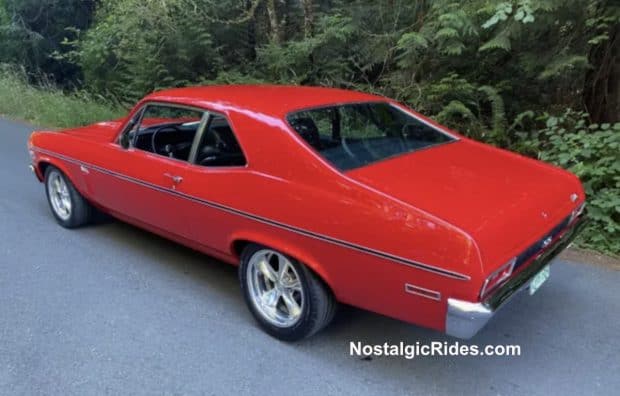
Despite being discontinued in 1988, the Chevrolet Nova remains a beloved classic car among enthusiasts. Its timeless design, performance prowess, and affordability have helped it maintain a strong following among collectors and hobbyists. Restored and modified Nova models continue to command attention at car shows and enthusiast gatherings.
Conclusion
In conclusion, the Chevrolet Nova is a quintessential American classic car that embodies the spirit of automotive innovation and performance. From its humble beginnings as a compact commuter car to its status as a racing legend, the Nova has left an indelible mark on automotive history. Its enduring popularity and timeless design ensure that the Chevrolet Nova will remain a cherished classic for generations to come.
FAQs About the Chevrolet Nova
When was the Chevrolet Nova first introduced?
The Chevrolet Nova was first introduced in 1962 as the Chevy II before being rebranded as the Nova in 1968.
What engine options were offered for the Chevrolet Nova?
The Chevrolet Nova was offered with a range of engine options, including inline-six and V8 engines, providing a balance of power and efficiency. The Nova SS models, in particular, featured potent V8 engines.
What is the racing legacy of the Chevrolet Nova?
The Chevrolet Nova earned a reputation for speed and agility on the drag strip, with many aftermarket companies offering performance parts and modifications to enhance its racing potential.
Are there specific trim levels or special editions of the Chevrolet Nova?
Yes, the Chevrolet Nova was offered in various trim levels and special editions, including the performance-oriented SS models and special packages with unique features and styling cues.
Are parts readily available for restoring a Chevrolet Nova?
Yes, parts for restoring and maintaining Chevrolet Nova models are generally available through aftermarket suppliers and specialty retailers catering to classic car enthusiasts.
What are some common modifications made to the Chevrolet Nova?
Common modifications to the Chevrolet Nova include engine upgrades, suspension enhancements, and cosmetic alterations to enhance performance and appearance.
Is the Chevrolet Nova still in production?
No, the Chevrolet Nova was discontinued in 1988. However, it remains a beloved classic car among enthusiasts and collectors.
Was the Chevrolet Nova used in racing?
Yes, the Chevrolet Nova gained popularity in drag racing circles due to its lightweight construction and powerful engines, making it a formidable competitor on the drag strip.
What body styles were available for the Chevrolet Nova?
The Chevrolet Nova was available in various body styles, including sedans, coupes, and wagons, offering options for different preferences and needs.
What is the value of a restored Chevrolet Nova?
The value of a restored Chevrolet Nova varies depending on factors such as its condition, rarity, and level of restoration. Pristine examples can command high prices among collectors, while modified or project cars may be more affordable options for enthusiasts.


