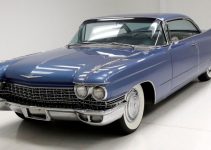
The Cadillac Seville holds a unique position in automotive history as the first small luxury car manufactured by Cadillac. Introduced in 1975, the Seville aimed to compete with European luxury cars while retaining Cadillac’s trademark comfort and luxury. Over the years, the Seville underwent several transformations, evolving into a symbol of American luxury and innovation.
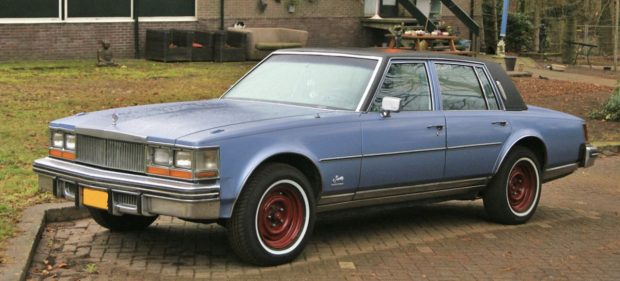
Cadillac Seville – Origins and Development
The Cadillac Seville originated from a concept developed in response to the 1970s oil crisis. General Motors executives recognized the need for a smaller, more fuel-efficient luxury car to compete in the changing automotive landscape. The project, codenamed “Phoenix,” aimed to create a compact luxury sedan that combined Cadillac’s renowned comfort with improved fuel economy.
Debut and Reception
In 1975, the Cadillac Seville made its debut as a 1976 model year vehicle. Its sleek, angular design and compact dimensions set it apart from traditional American luxury cars. Despite initial skepticism from Cadillac purists, the Seville garnered praise for its handling, fuel efficiency, and upscale features. Its success demonstrated Cadillac’s ability to adapt to changing market demands.
Evolution of Design and Features
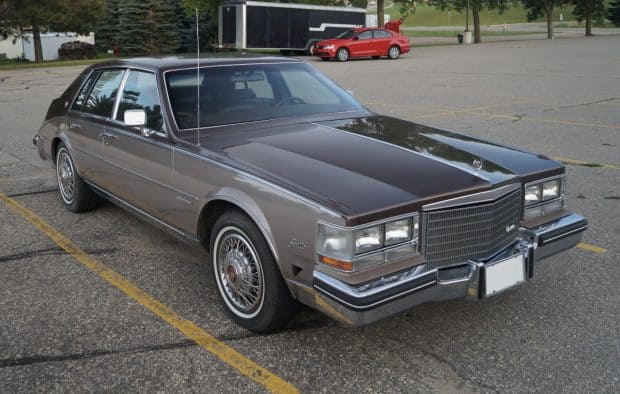
Throughout its production run, the Cadillac Seville underwent several design revisions and feature enhancements. The early models featured distinctive bustle-back styling and advanced engineering, including front-wheel drive and a fuel-injected V8 engine. Subsequent generations introduced updated styling, improved technology, and innovative safety features, cementing the Seville’s reputation as a forward-thinking luxury car.
The Cadillac Seville went through four generations during its production run:
- First Generation (1975–1979):
- Introduced in 1975 as a 1976 model year vehicle.
- Smaller and more fuel-efficient compared to other Cadillac models.
- Featured a distinct design with squared-off edges and a formal roofline.
- Second Generation (1980–1985):
- Redesigned for the 1980 model year.
- Featured a sleeker and more aerodynamic design.
- Introduced a new platform and improved handling characteristics.
- Third Generation (1986–1991):
- Redesigned again for the 1986 model year.
- Transitioned to a front-wheel-drive layout.
- Featured more rounded styling and modernized interior features.
- Fourth Generation (1992–2004):
- Introduced in 1992 for the 1993 model year.
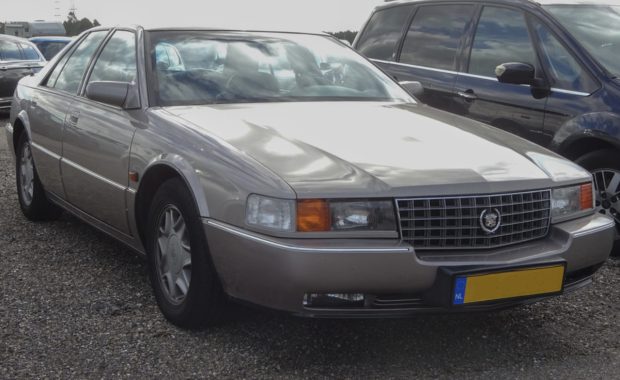
- Featured a complete redesign with a more contemporary appearance.
- Offered improved performance, comfort, and advanced technological features.
- Discontinued in 2004, marking the end of the Cadillac Seville’s production.
Technological Innovations
The Cadillac Seville was at the forefront of automotive technology, introducing numerous innovations over the years. These included advanced suspension systems, electronic fuel injection, onboard diagnostics, and integrated safety features such as anti-lock brakes and airbags. Cadillac continually updated the Seville to incorporate the latest advancements in automotive engineering, ensuring its competitiveness in the luxury car market.
End of Production and Legacy
After a successful production run spanning four generations, Cadillac discontinued the Seville in 2004. Despite its eventual discontinuation, the Seville left a lasting legacy as a pioneer of American luxury cars. Its innovative design, technological advancements, and uncompromising commitment to luxury paved the way for future Cadillac models and influenced the broader automotive industry.
Conclusion
The Cadillac Seville stands as a testament to Cadillac’s ability to innovate and adapt to changing market trends. From its humble beginnings as a response to the oil crisis to its evolution into a symbol of American luxury, the Seville left an indelible mark on automotive history. Its legacy lives on in the continued pursuit of excellence by Cadillac and serves as a reminder of the brand’s dedication to innovation and luxury.
FAQs About the Cadillac Seville
When was the Cadillac Seville first introduced?
The Cadillac Seville made its debut in 1975 as a 1976 model year vehicle.
What distinguished the Cadillac Seville from other Cadillac models?
The Cadillac Seville was smaller in size compared to other Cadillac models, featuring a more compact design and improved fuel economy.
How many generations of the Cadillac Seville were produced?
The Cadillac Seville went through four generations during its production run.
Was the Cadillac Seville well-received by consumers and critics?
Initially met with skepticism, the Cadillac Seville received praise for its handling, fuel efficiency, and upscale features, earning a positive reputation among consumers and critics alike.
Are Cadillac Seville models still available for purchase today?
While new Cadillac Seville models are no longer produced, enthusiasts may find used Cadillac Seville vehicles for sale through private sellers or dealerships specializing in classic cars.
What led to the discontinuation of the Cadillac Seville?
The Cadillac Seville was discontinued in 2004 due to shifting market trends and Cadillac’s focus on other models in its lineup.
What were the major design changes in each generation of the Cadillac Seville?
Each generation of the Cadillac Seville featured distinctive styling updates, including changes to the exterior design, interior features, and technological advancements.
What were some notable features of the Cadillac Seville?
The Cadillac Seville introduced advanced features such as front-wheel drive, electronic fuel injection, onboard diagnostics, and integrated safety features like anti-lock brakes and airbags.
What was the purpose behind creating the Cadillac Seville?
The Cadillac Seville was developed in response to the 1970s oil crisis, aiming to offer a smaller, more fuel-efficient luxury car option.
What is the legacy of the Cadillac Seville?
The Cadillac Seville left a lasting legacy as a pioneer of American luxury cars, showcasing Cadillac’s ability to innovate and adapt to changing market demands. Its technological advancements and commitment to luxury continue to influence Cadillac’s lineup and the automotive industry as a whole.