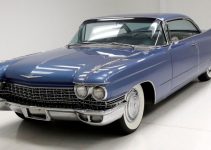
The Cadillac Eldorado holds a special place in automotive history as one of the most luxurious and iconic American cars ever produced. With its distinctive design, advanced features, and powerful performance, the Eldorado epitomizes Cadillac’s commitment to luxury and innovation. In this article, we delve into the rich history and remarkable features of the Cadillac Eldorado, exploring what makes it a true automotive legend.
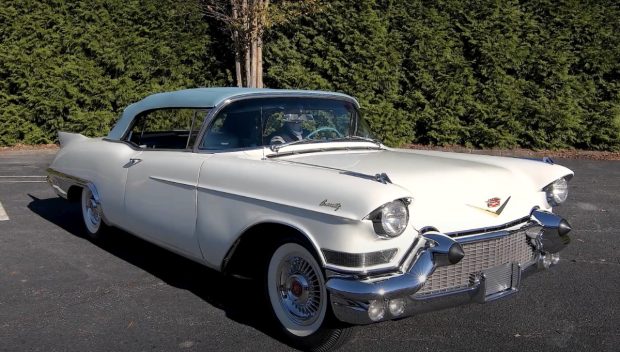
Cadillac Eldorado – Origins and Early Development
The Cadillac Eldorado made its debut in 1953 as a limited-production convertible model. Inspired by the opulent lifestyle of the 1950s, the Eldorado was designed to be the pinnacle of luxury and sophistication. Its name, derived from the Spanish words “el dorado” meaning “the golden one,” reflected Cadillac’s vision of creating a car fit for royalty.
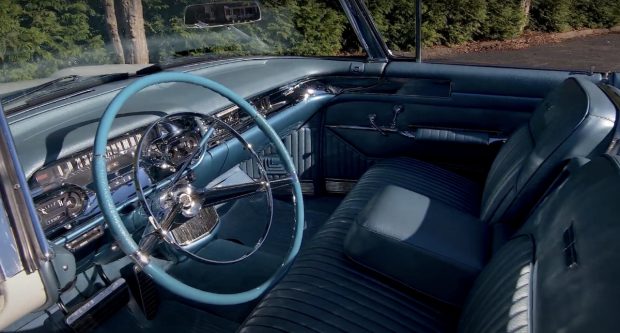
Iconic Design Elements
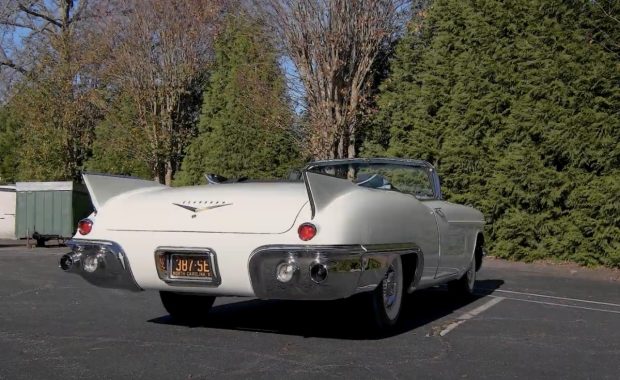
One of the defining features of the Cadillac Eldorado is its striking design. Characterized by its sleek lines, distinctive tailfins, and lavish chrome accents, the Eldorado exudes elegance and style. The car’s iconic front grille, adorned with the Cadillac emblem, instantly commands attention, while its long hood and sculpted body convey a sense of power and prestige.
Technological Innovations
Throughout its production history, the Cadillac Eldorado was at the forefront of automotive innovation. From the introduction of groundbreaking features like power windows and air conditioning to the integration of advanced safety technologies, such as anti-lock brakes and traction control, the Eldorado consistently pushed the boundaries of luxury and performance.
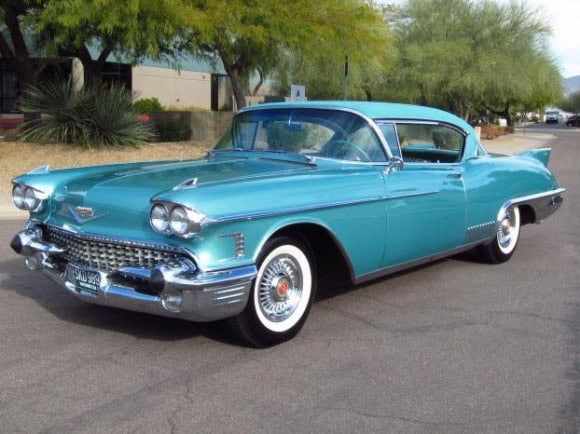
Evolution of Performance
Over the years, the Cadillac Eldorado underwent significant changes in terms of performance. Early models were powered by potent V8 engines that delivered smooth acceleration and effortless cruising. Later iterations introduced more powerful engines and performance enhancements, cementing the Eldorado’s reputation as a formidable luxury cruiser.
The Cadillac Eldorado, a symbol of luxury and innovation, went through several generations during its production run. Here’s an overview of the different generations:
- First Generation (1953–1958):
- The inaugural Cadillac Eldorado was introduced in 1953 as a limited-production convertible model.
- It featured a unique body style with wrap-around windshield, distinctive tailfins, and luxurious interior appointments.
- Power came from a 5.4-liter V8 engine producing around 210 horsepower.
- Second Generation (1959–1966):
- The second-generation Eldorado saw significant design changes, including larger dimensions, sharper tailfins, and more extravagant styling.
- In 1967, Cadillac introduced front-wheel drive (FWD) in the Eldorado, making it the first American car to feature this configuration.
- Engine options included powerful V8 engines with increased displacement and output.
- Third Generation (1967–1970):
- This generation marked the introduction of front-wheel drive (FWD) in the Eldorado, setting it apart from other luxury cars of the era.
- The Eldorado featured a sleeker, more aerodynamic design with a distinctive long hood and short rear deck.
- It was powered by a range of V8 engines, offering impressive performance and refinement.
- Fourth Generation (1971–1978):
- The fourth-generation Eldorado received a bold redesign with squared-off styling cues and a more formal appearance.
- It continued to be offered with front-wheel drive (FWD) and a range of powerful V8 engines.
- Cadillac introduced various luxury and convenience features, catering to the demands of upscale buyers.
- Fifth Generation (1979–1985):
- The fifth-generation Eldorado underwent a downsizing in response to changing fuel economy regulations and market demands.
- It featured a more compact design with improved fuel efficiency while retaining luxury amenities and performance.
- This generation offered innovative features such as electronic fuel injection and digital instrumentation.
- Sixth Generation (1986–1991):
- The sixth-generation Eldorado received a sleeker and more aerodynamic redesign, reflecting contemporary automotive styling trends.
- It continued to offer advanced technology and luxury features, including electronic climate control and a sophisticated audio system.
- Engine options included efficient yet powerful V8 engines, delivering a balance of performance and refinement.
- Seventh Generation (1992–2002):
- The seventh and final generation of the Eldorado featured modern styling updates and technological advancements.
- It offered enhanced safety features, including anti-lock brakes and traction control, as well as improved handling characteristics.
- Production of the Eldorado ceased in 2002, marking the end of an era for Cadillac’s iconic luxury coupe.
Legacy and Cultural Impact
The Cadillac Eldorado left an indelible mark on American automotive culture, serving as a symbol of prestige and success. It was often favored by celebrities, dignitaries, and affluent buyers who appreciated its blend of luxury, style, and performance. The Eldorado’s presence in popular media, including movies, television shows, and music, further solidified its status as an icon of American motoring.
Conclusion
In conclusion, the Cadillac Eldorado stands as a testament to Cadillac’s legacy of luxury and innovation. From its inception as a glamorous convertible to its evolution into a technological marvel, the Eldorado remains a timeless symbol of automotive excellence. Its iconic design, advanced features, and powerful performance continue to captivate enthusiasts and collectors alike, ensuring that the Cadillac Eldorado will forever hold a special place in automotive history.
FAQs About the Cadillac Eldorado
When was the Cadillac Eldorado first introduced?
The Cadillac Eldorado made its debut in 1953 as a limited-production convertible model.
How did the Cadillac Eldorado evolve over time?
The Cadillac Eldorado underwent significant changes in terms of design, technology, and performance throughout its production history, with various iterations featuring different styling cues and engineering advancements.
What technological innovations were introduced in the Cadillac Eldorado?
The Cadillac Eldorado introduced several technological innovations, including power windows, air conditioning, anti-lock brakes, traction control, and advanced safety features.
What was the cultural impact of the Cadillac Eldorado?
The Cadillac Eldorado served as a symbol of prestige and success, often favored by celebrities, dignitaries, and affluent buyers. Its presence in popular media further solidified its status as an icon of American motoring.
What makes the Cadillac Eldorado a collectible car today?
The Cadillac Eldorado’s blend of luxury, style, and performance, combined with its limited production numbers and historical significance, makes it highly desirable among collectors.
How many generations of the Cadillac Eldorado were produced?
The Cadillac Eldorado went through several generations, each featuring distinct styling and technological advancements. Production spanned from 1953 to 2002.
What engines were available in the Cadillac Eldorado?
The Cadillac Eldorado was powered by a range of V8 engines throughout its production history, with later iterations featuring more powerful engines and performance enhancements.
What are some iconic design elements of the Cadillac Eldorado?
Iconic design elements of the Cadillac Eldorado include its sleek lines, distinctive tailfins, lavish chrome accents, and signature front grille adorned with the Cadillac emblem.
What does the name “Eldorado” mean?
The name “Eldorado” is derived from the Spanish words “el dorado,” which mean “the golden one,” reflecting Cadillac’s vision of creating a car fit for royalty.
Are there any notable variants or special editions of the Cadillac Eldorado?
Yes, over the years, Cadillac introduced various special editions and variants of the Eldorado, including the Biarritz, Brougham, and Touring Coupe, each offering unique features and styling cues.