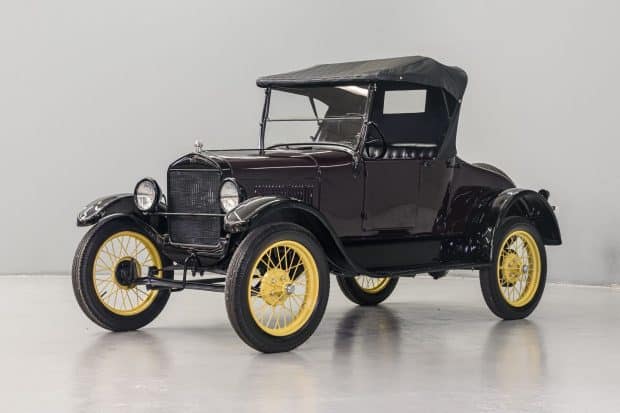
In the annals of automotive history, few vehicles hold as much significance as the Ford Model T. Revered as the car that put the world on wheels, the Model T revolutionized transportation, industry, and society as a whole. From its humble beginnings in 1908 to its lasting impact on modern automotive design, the Model T remains an icon of innovation and ingenuity.
The Birth of an Icon: Ford Model T
Conceived by automotive visionary Henry Ford, the Model T was introduced to the world on October 1, 1908. Built with simplicity, reliability, and affordability in mind, the Model T was designed to be the car for the masses. With its rugged construction and innovative assembly line production, Ford was able to drastically reduce the cost of manufacturing, making the Model T accessible to the average American family.
A Car for Everyman
One of the Model T’s most remarkable features was its versatility. Whether traversing rough country roads or navigating city streets, the Model T proved to be a dependable and adaptable vehicle.
Its robust four-cylinder engine, capable of running on gasoline, kerosene, or ethanol, provided ample power for a variety of driving conditions. With its high ground clearance and durable chassis, the Model T could tackle terrain that other vehicles of its time could only dream of conquering.
The Impact on Society
The widespread adoption of the Model T had far-reaching implications for society. As more Americans embraced automobile ownership, the Model T catalyzed the growth of industries such as oil, rubber, and steel. It also spurred the development of infrastructure, including roads, highways, and service stations, transforming the landscape of the country. With its affordable price tag and efficient production methods, the Model T played a pivotal role in ushering in the era of mass consumerism and the rise of the middle class.
Evolution and Endurance
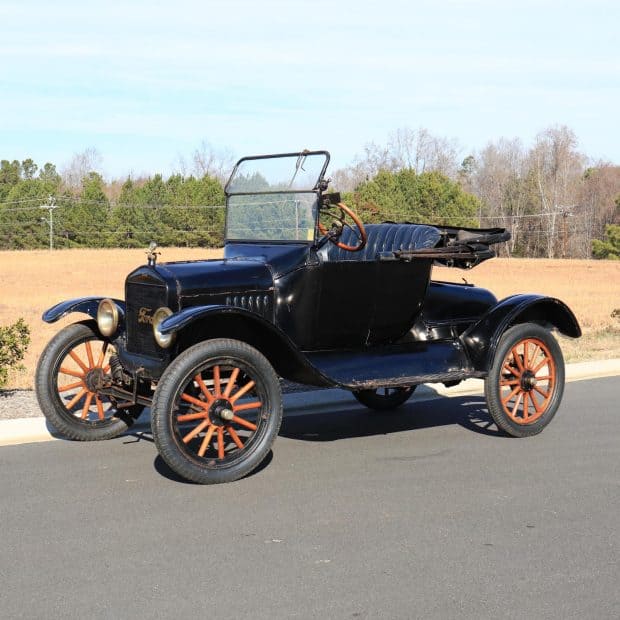
Over its 19-year production run, the Model T underwent numerous iterations and improvements. From its early days as a simple runabout to its later incarnations as a touring car, sedan, and even a pickup truck, the Model T continued to evolve to meet the changing needs of consumers. Despite facing competition from rival automakers and shifting market dynamics, the Model T remained a bestseller until its production ceased in 1927, with over 15 million units sold worldwide.
Legacy and Heritage
Today, the Ford Model T stands as a testament to the power of innovation and perseverance. Its enduring legacy lives on in the hearts and minds of automotive enthusiasts, historians, and collectors around the world. From its iconic design to its groundbreaking engineering, the Model T remains a symbol of American ingenuity and determination. As we reflect on its storied past, we celebrate the Model T not only for what it was but also for the profound impact it had on shaping the world we live in today.
Conclusion
The Ford Model T may have rolled off the assembly line for the last time nearly a century ago, but its spirit lives on in every car that graces the open road. As we marvel at the Model T’s remarkable journey from invention to icon, we are reminded of the transformative power of innovation and the enduring legacy of one of the greatest cars ever built.
FAQs
What year was the Ford Model T first introduced?
The Ford Model T was first introduced in 1908.
How many Model T cars were produced during its production run?
Over its production span, Ford produced approximately 15 million Model T cars.
What was the original price of the Ford Model T?
When it was first introduced, the price of a Ford Model T was around $850, but it dropped significantly over the years due to advancements in production methods.
What type of engine did the Ford Model T have?
The Ford Model T was equipped with a four-cylinder, 20-horsepower engine.
How fast could the Ford Model T go?
The Ford Model T had a top speed of around 45 miles per hour (72 kilometers per hour).
What was the fuel economy of the Ford Model T?
The fuel economy of the Ford Model T varied depending on driving conditions, but it typically achieved around 13-21 miles per gallon (5.5-8.9 kilometers per liter).
How many different body styles were available for the Ford Model T?
The Ford Model T was available in various body styles, including roadsters, touring cars, coupes, sedans, and even trucks.
How did Henry Ford revolutionize production with the Model T?
Henry Ford revolutionized production with the Model T by implementing assembly line manufacturing techniques, which significantly reduced production costs and made cars more affordable for the average consumer.
How did the Ford Model T impact society?
The Ford Model T had a profound impact on society by providing affordable and reliable transportation, spurring economic growth, and transforming the way people lived, worked, and traveled.
When did production of the Ford Model T cease?
Production of the Ford Model T ceased in 1927, marking the end of an era in automotive history.