The Ford GT40 is a legendary American sports car that etched its name in automotive history through its remarkable performance and iconic design. Originally developed to challenge Ferrari’s dominance in endurance racing, the GT40 quickly became synonymous with speed, power, and engineering excellence. In this article, we delve into the fascinating story of the Ford GT40, exploring its origins, racing success, and enduring legacy.
Origins of the GT40: Challenging Ferrari
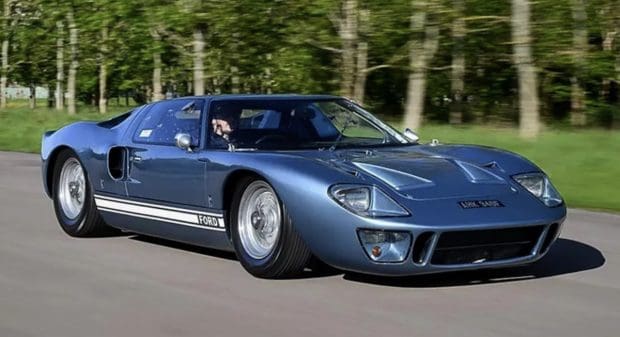
In the early 1960s, Ford set its sights on acquiring Ferrari, but the deal fell through, sparking a rivalry that would shape the destiny of the GT40. Determined to defeat Ferrari at the prestigious 24 Hours of Le Mans race, Ford initiated the GT40 project in collaboration with British racing constructor Lola Cars. The goal was clear: build a car capable of dethroning Ferrari and claiming victory on the world’s most demanding race tracks.
Engineering Marvel: Design and Development
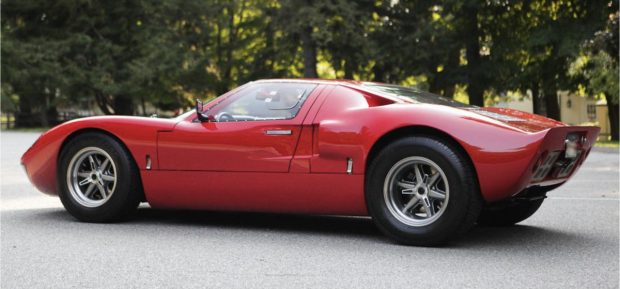
Led by engineer Roy Lunn and aerodynamicist Eric Broadley, the GT40 was born from a relentless pursuit of speed and performance. Its sleek, low-slung bodywork was crafted for optimal aerodynamics, while a lightweight chassis and powerful V8 engine delivered blistering acceleration and top speeds. With advanced features such as disc brakes and independent suspension, the GT40 represented a leap forward in automotive technology.
Triumph at Le Mans: Racing Success
After initial setbacks, the Ford GT40 achieved its greatest triumph at the 1966 24 Hours of Le Mans, sweeping the podium with a historic 1-2-3 finish. The GT40 continued its dominance at Le Mans, winning the prestigious race four years in a row from 1966 to 1969. Its success cemented Ford’s reputation as a force to be reckoned with in motorsport and solidified the GT40’s status as an icon of endurance racing.
Enduring Legacy: Influence and Inspiration
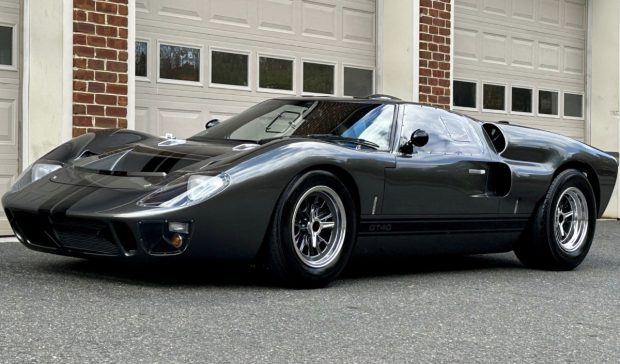
Beyond its racing achievements, the Ford GT40 left an indelible mark on automotive culture, inspiring generations of enthusiasts and serving as a symbol of American ingenuity and determination. Its timeless design and unparalleled performance continue to captivate collectors and enthusiasts worldwide, with original GT40s commanding astronomical prices at auctions and replicas paying homage to its legendary status.
Conclusion
In the annals of automotive history, few cars have left as profound an impact as the Ford GT40. From its humble beginnings as a challenger to Ferrari’s dominance to its triumphant victories at Le Mans, the GT40 embodies the spirit of innovation, competition, and excellence. As a testament to its enduring legacy, the GT40 remains an object of fascination and admiration, reminding us of the power of engineering prowess and the thrill of pushing the limits of speed and performance.
FAQs About the Ford GT40
What does “GT40” stand for in the Ford GT40’s name?
“GT” stands for Grand Touring, while “40” refers to the car’s overall height, measured in inches.
What engine does the Ford GT40 use?
The Ford GT40 initially used a 4.7-liter (289 cubic inches) V8 engine, later upgraded to a 7.0-liter (427 cubic inches) V8 engine for increased power and performance.
What is the significance of the Ford GT40’s victories at Le Mans?
The Ford GT40’s victories at the 24 Hours of Le Mans, particularly its historic 1-2-3 finish in 1966, marked the first time an American manufacturer had won the prestigious race, solidifying Ford’s reputation in motorsport.
Was the Ford GT40 successful in other racing events besides Le Mans?
Yes, the Ford GT40 achieved success in various racing events worldwide, including the Daytona 24 Hours, the Sebring 12 Hours, and the World Sportscar Championship.
How many Ford GT40 cars were built?
A total of 105 Ford GT40s were built between 1964 and 1969, including prototypes, road cars, and racing variants.
What was the purpose of creating the Ford GT40?
The primary purpose of creating the Ford GT40 was to challenge and defeat Ferrari’s dominance in endurance racing, particularly at the 24 Hours of Le Mans.
Are there any original Ford GT40s still in existence?
Yes, there are several original Ford GT40s still in existence, many of which are owned by collectors or museums and command high prices at auctions.
Is the Ford GT40 still in production today?
No, the original Ford GT40 ceased production in 1969. However, Ford introduced a modern reinterpretation of the GT40, known as the Ford GT, in 2005 and later released an updated version in 2017.
Was the Ford GT40 road legal?
Yes, some versions of the Ford GT40 were produced for road use, although they were primarily designed as racing cars. These road-going variants featured modifications to meet legal requirements.
How fast could the Ford GT40 go?
The top speed of the Ford GT40 varied depending on the model and engine configuration, but it was capable of reaching speeds exceeding 200 miles per hour (320 kilometers per hour) in racing trim.