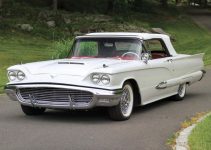
Ford Motor Company, founded by Henry Ford in 1903, has been a driving force in the automotive industry for over a century. Renowned for its innovative cars and robust trucks, Ford has shaped the automotive landscape with iconic models that have become symbols of American motoring. In this article, we delve into the rich history of Ford cars and trucks, exploring some of the most iconic models that have left an indelible mark on the industry.
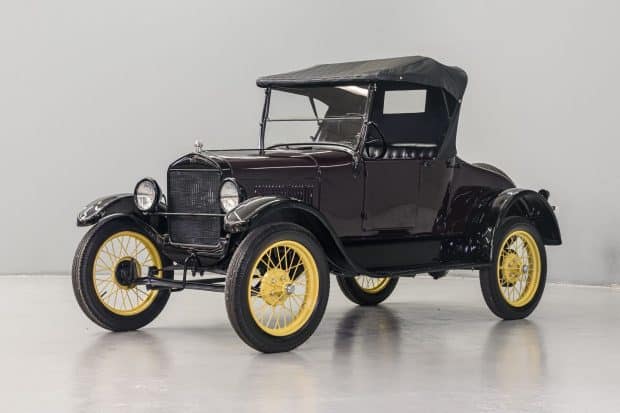
A Brief History of the Ford Motor Company
Founded by Henry Ford on June 16, 1903, the Ford Motor Company has played a pivotal role in shaping the automotive industry. Here’s a condensed overview of its journey through the years:
Early Years (1903-1927)
- In 1903, Henry Ford establishes the Ford Motor Company in Detroit, Michigan.
- The company’s first vehicle, the Model A, is introduced in 1903, followed by the iconic Model T in 1908.
- The Model T revolutionizes transportation with its affordability, durability, and assembly line production techniques.
- Ford introduces the moving assembly line in 1913, significantly reducing production time and costs.
- By 1927, over 15 million Model Ts have been produced, cementing Ford’s reputation as a leader in the automotive industry.
Expansion and Innovation (1928-1945)
- In 1928, Ford introduces the Model A, successor to the Model T, featuring modern amenities and styling.
- During the Great Depression, Ford innovates with the introduction of the V8 engine in 1932, offering improved performance and power.
- Ford’s contribution to the war effort during World War II includes producing military vehicles, aircraft engines, and other wartime necessities.
Post-War Era and Global Expansion (1946-1980)
- Ford experiences rapid growth and expansion in the post-war years, introducing popular models like the F-Series trucks and the Thunderbird.
- The 1950s witness the introduction of the iconic Ford Thunderbird, marking Ford’s entry into the personal luxury car segment.
- In 1956, Ford becomes a publicly traded company, further fueling its growth and expansion.
- Ford expands globally, establishing manufacturing facilities and operations in various countries around the world.
Modern Era and Globalization (1981-Present)
- The 1980s see the introduction of iconic models like the Ford Mustang Fox-body and the Ford Escort.
- Ford undergoes restructuring and cost-cutting measures in the 2000s to improve profitability and competitiveness.
- The company focuses on innovation and sustainability, introducing hybrid and electric vehicles like the Ford Fusion Hybrid and the Ford Mustang Mach-E.
- Ford continues to adapt to changing market trends and consumer preferences, investing in autonomous driving technology and mobility solutions.
Throughout its history, the Ford Motor Company has remained committed to Henry Ford’s vision of providing affordable and reliable transportation for the masses. With a legacy of innovation, iconic vehicles, and global impact, Ford continues to shape the future of mobility while honoring its rich heritage.
Ford’s Most Iconic Models
The Model T: Pioneering the Automobile Revolution
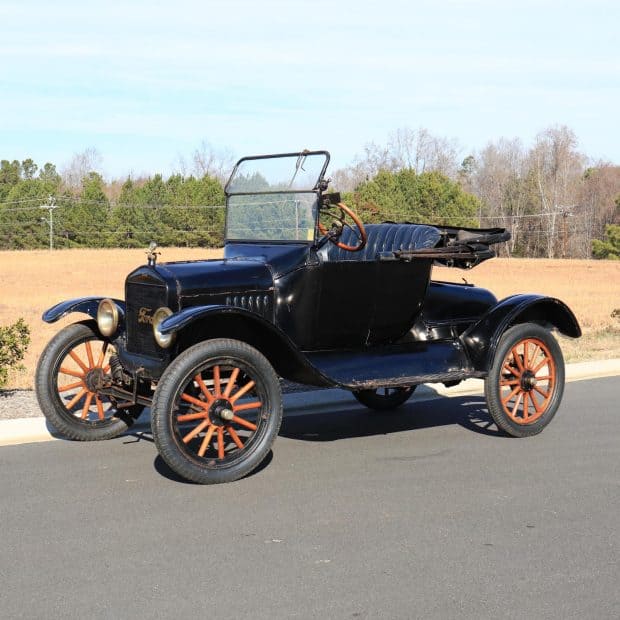
The Ford Model T, introduced in 1908, stands as one of the most iconic vehicles in automotive history. Here’s a brief overview of this revolutionary car:
Introduction and Impact
- The Model T, also known as the “Tin Lizzie,” was introduced by Henry Ford’s Ford Motor Company.
- It revolutionized transportation by making cars affordable and accessible to the average American.
- The Model T was the first car mass-produced on assembly lines, utilizing interchangeable parts and innovative production techniques.
- Its introduction marked the beginning of the automotive era, transitioning society from horse-drawn carriages to automobiles.
Key Features and Innovations
- The Model T was powered by a 20-horsepower, four-cylinder engine, capable of reaching speeds up to 45 miles per hour.
- It featured a simple design, with a durable chassis and body constructed of steel and wood.
- The Model T was renowned for its reliability and versatility, capable of traversing rough roads and challenging terrain.
- It offered seating for up to five passengers and was available in various body styles, including touring cars, roadsters, and sedans.
Assembly Line Production
- Henry Ford’s introduction of the moving assembly line in 1913 revolutionized the manufacturing process.
- This innovation significantly reduced production time and costs, allowing Ford to produce Model Ts more efficiently.
- The assembly line method enabled Ford to produce over 15 million Model Ts by 1927, making it one of the most mass-produced cars in history.
Legacy and Cultural Impact
- The Model T transformed the way people lived, worked, and traveled, facilitating urbanization and economic growth.
- It played a crucial role in shaping modern society, contributing to the rise of suburbs, the development of road infrastructure, and the expansion of industries.
- The Model T became a cultural icon, symbolizing progress, freedom, and the American Dream.
- Despite being phased out in 1927, the Model T’s legacy continues to resonate, earning its place as a symbol of innovation and ingenuity in automotive history.
The Ford Model T remains a testament to Henry Ford’s vision of making cars affordable and accessible to all. Its impact on transportation and society reverberates to this day, securing its status as one of the most influential vehicles ever produced.
The Ford Model A: Evolving the Automotive Landscape
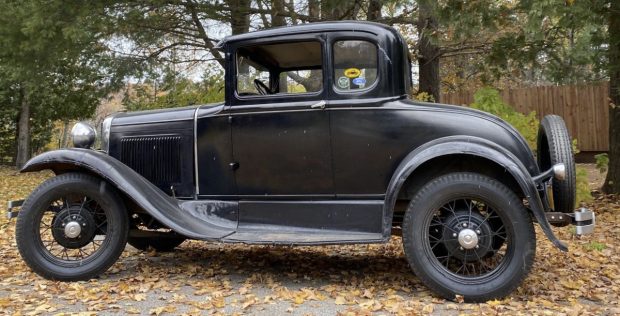
The Ford Model A, introduced in 1927, succeeded the iconic Model T and marked a new era of innovation and style in automotive history. Here’s a brief overview of this influential vehicle:
Introduction and Significance
- The Model A was introduced by Ford Motor Company as the successor to the Model T, ending its 18-year production run.
- It represented a significant leap forward in automotive design, incorporating modern features and styling cues.
- The Model A aimed to address some of the shortcomings of the Model T while retaining affordability and reliability.
Key Features and Innovations
- The Model A featured a more refined and streamlined design compared to its predecessor, with a taller hood, slimmer profile, and integrated headlights.
- It was powered by a 3.3-liter inline-four engine, delivering around 40 horsepower, providing improved performance and drivability.
- The Model A offered various body styles, including coupe, sedan, roadster, and pickup truck, catering to a wide range of customers.
- It introduced several new features, such as a standard sliding gear transmission, hydraulic brakes, and a more comfortable suspension system.
Production and Legacy
- The Model A was produced from 1927 to 1931, with over 4 million units manufactured during its production run.
- Its introduction revitalized Ford’s sales and cemented the company’s position as a leader in the automotive industry.
- The Model A’s affordability, reliability, and versatility made it popular among consumers, contributing to its lasting legacy.
- Today, the Ford Model A remains a beloved classic car, cherished by collectors and enthusiasts worldwide for its historical significance and timeless design.
The Ford Model A represented a significant step forward in automotive technology and design, setting the stage for the modern automobile era. Its introduction marked the beginning of a new chapter in Ford’s history and left an indelible mark on the automotive industry.
The Ford Thunderbird: Classic Luxury and Style
The Ford Thunderbird, often referred to as the “T-Bird,” is an iconic American car that epitomizes style, luxury, and performance. Here’s a brief overview of this legendary vehicle:

Introduction and Significance
- Introduced by Ford Motor Company in 1955, the Thunderbird was initially conceived as a response to Chevrolet’s Corvette, aiming to combine sportiness with luxury.
- Unlike the Corvette, which focused on performance, the Thunderbird was marketed as a personal luxury car, targeting affluent buyers seeking a blend of comfort and style.
- The Thunderbird quickly gained popularity and became a symbol of post-war American prosperity and automotive innovation.
Key Features and Innovations
- The first-generation Thunderbird featured a sleek, two-seater design with a removable fiberglass hardtop, giving it a distinctive and elegant appearance.
- It was equipped with a powerful V8 engine, providing ample performance and a smooth driving experience.
- The Thunderbird boasted luxurious interior appointments, including leather upholstery, power windows, and a range of comfort and convenience features.
- Over the years, the Thunderbird underwent several design changes and updates, evolving into a larger, more luxurious vehicle with four seats and advanced technology.
Production and Legacy
- The Thunderbird enjoyed immense popularity during its initial production run, with the first-generation model selling over 53,000 units in its debut year.
- It became an iconic symbol of American automotive design and innovation, inspiring countless imitations and influencing the development of subsequent generations of personal luxury cars.
- Although production of the Thunderbird ceased in 2005, its legacy lives on as a cherished classic car, revered by collectors and enthusiasts for its timeless design and historical significance.
- Today, vintage Thunderbirds remain sought after by collectors, while modern iterations continue to evoke nostalgia and admiration among automotive enthusiasts worldwide.
The Ford Thunderbird’s enduring legacy as a symbol of American luxury and performance is a testament to its timeless design, innovative features, and cultural impact. From its inception in the 1950s to its status as a classic car icon, the Thunderbird continues to captivate the hearts and minds of enthusiasts, embodying the spirit of American automotive excellence.
The Ford Mustang: A Legend of American Muscle
The Ford Mustang is an American automotive legend, renowned for its powerful performance, iconic design, and enduring popularity. Here’s a brief overview of this legendary vehicle:

Introduction and Significance
- Introduced by Ford Motor Company in 1964, the Mustang was designed to appeal to a new generation of car buyers seeking style, performance, and affordability.
- It quickly captured the hearts of enthusiasts and became an instant classic, earning the title of the “pony car” and setting the standard for American muscle cars.
- The Mustang’s combination of aggressive styling, potent engines, and customizable options made it a symbol of freedom and individuality during the 1960s and beyond.
Key Features and Innovations
- The first-generation Mustang featured a sleek, sporty design with long hood and short deck proportions, reflecting its performance-oriented nature.
- It offered a range of engine options, from economical six-cylinder engines to high-performance V8s, catering to a wide spectrum of buyers.
- The Mustang introduced the concept of personalization through a variety of trim levels, body styles, and optional features, allowing buyers to tailor their cars to their preferences.
- Over the years, the Mustang evolved with advancements in technology and design, maintaining its status as an icon of American automotive ingenuity.
Production and Legacy
- The Mustang’s popularity soared during its initial production run, with over one million units sold in its first two years on the market.
- It became a cultural phenomenon, appearing in numerous films, television shows, and pop culture references, solidifying its status as an American icon.
- The Mustang has undergone numerous redesigns and updates over its six generations, evolving to meet changing consumer preferences while staying true to its performance heritage.
- Today, the Mustang remains a beloved classic car, cherished by collectors and enthusiasts for its timeless design, exhilarating performance, and enduring legacy as an American automotive icon.
The Ford Mustang’s legacy as a symbol of American muscle and iconic design is a testament to its enduring appeal and cultural significance. From its groundbreaking debut in the 1960s to its status as a modern-day performance legend, the Mustang continues to inspire passion and excitement among car enthusiasts worldwide.
The Ford F-Series Trucks: Power and Versatility
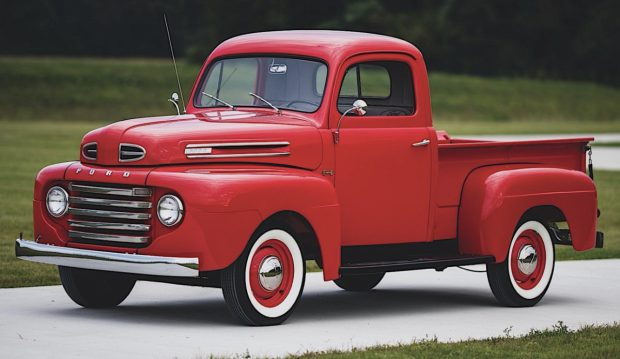
The Ford F-Series trucks have been a cornerstone of American automotive culture for over seven decades, representing the epitome of durability, versatility, and innovation. Here’s a brief overview of these legendary trucks:
Introduction and Significance
- Introduced in 1948, the Ford F-Series trucks were designed to meet the needs of farmers, ranchers, and tradespeople, offering a rugged and reliable vehicle for work and everyday use.
- The F-Series quickly gained popularity for its robust construction, powerful engines, and practical features, becoming one of the best-selling vehicles in the United States and a staple of the American landscape.
Key Features and Innovations
- The early F-Series trucks featured a simple and utilitarian design, with a sturdy steel body, leaf-spring suspension, and powerful inline-six engines, capable of hauling heavy loads and navigating rough terrain.
- Over the years, Ford introduced numerous innovations and upgrades to the F-Series lineup, including the introduction of V8 engines, automatic transmissions, and advanced safety and convenience features.
- The F-Series trucks evolved to offer a wide range of configurations, including various cab sizes, bed lengths, and trim levels, catering to a diverse range of customers with different needs and preferences.
- Ford’s commitment to continuous improvement and innovation has kept the F-Series trucks at the forefront of the pickup truck market, setting new standards for performance, efficiency, and capability with each new generation.
Production and Legacy
- The Ford F-Series trucks have been consistently among the best-selling vehicles in the United States for decades, earning a reputation for reliability, durability, and longevity.
- They have played a vital role in various industries, from agriculture and construction to transportation and emergency services, serving as trusted workhorses for millions of hardworking Americans.
- The F-Series trucks have also become symbols of American ingenuity and innovation, embodying the spirit of hard work, perseverance, and determination that defines the American ethos.
- Today, the Ford F-Series trucks continue to set the standard for pickup trucks, offering unmatched performance, capability, and versatility, while remaining true to their heritage as dependable and rugged vehicles built to handle the toughest challenges.
In summary, the Ford F-Series trucks have left an indelible mark on American automotive history, earning a well-deserved reputation as the gold standard in pickup trucks. With their unmatched durability, versatility, and innovation, they continue to be the top choice for drivers who demand nothing but the best from their vehicles.
The Ford GT40: Conquering Le Mans and Beyond
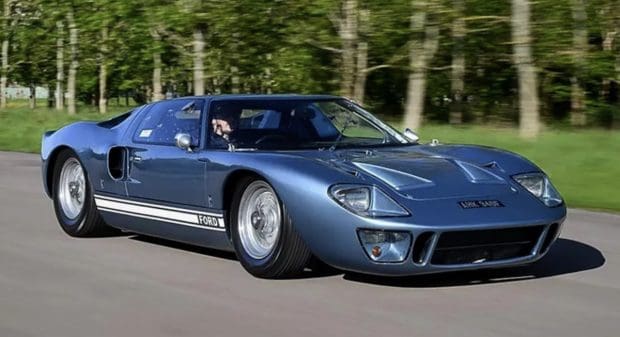
The Ford GT40 is an iconic sports car that achieved legendary status through its dominance on the race track and timeless design. Here’s a brief overview of this automotive masterpiece:
Introduction and Significance
- Conceived in the early 1960s with the aim of defeating Ferrari at the prestigious 24 Hours of Le Mans endurance race, the Ford GT40 was Ford’s answer to the Italian automaker’s dominance in sports car racing.
- The name “GT40” stands for Grand Touring, with the “40” representing its height of 40 inches, reflecting its low-slung and aerodynamic design.
Key Features and Innovations
- The Ford GT40 featured a lightweight aluminum chassis and a sleek fiberglass body, designed to minimize drag and maximize speed on the race track.
- Powered by a range of V8 engines, including the iconic 7.0-liter Ford V8, the GT40 boasted impressive performance figures, with top speeds exceeding 200 mph.
- Its advanced engineering, including independent suspension and advanced aerodynamics, gave the GT40 superior handling and stability, crucial for endurance racing.
Racing Success and Legacy
- The Ford GT40 made history by winning the 24 Hours of Le Mans four consecutive times from 1966 to 1969, breaking Ferrari’s dominance and cementing its place in motorsport history.
- Its victories at Le Mans and other prestigious races, such as the Daytona 24 Hours and the Sebring 12 Hours, elevated the GT40 to legendary status and established Ford as a force to be reckoned with in international motorsport.
- The GT40’s success on the track captured the imagination of enthusiasts around the world and inspired future generations of sports car enthusiasts and engineers.
Cultural Impact and Collectibility
- The Ford GT40’s iconic design and racing pedigree have made it one of the most sought-after and collectible sports cars in the world.
- Original GT40s command high prices at auctions, with well-maintained examples fetching millions of dollars from collectors and enthusiasts eager to own a piece of automotive history.
- The GT40’s enduring legacy is celebrated in popular culture through movies, documentaries, and literature, ensuring that its place in automotive history is firmly secured for generations to come.
In summary, the Ford GT40 is more than just a sports car; it’s a symbol of innovation, determination, and the pursuit of excellence. Its remarkable racing success and timeless design have made it an enduring icon in the world of motorsport and a cherished treasure for enthusiasts and collectors alike.
Conclusion
Ford’s contribution to the automotive world is unparalleled, with a legacy built on innovation, reliability, and performance. From the groundbreaking Model T that revolutionized transportation to the iconic Mustang that ignited a passion for muscle cars, Ford has consistently delivered vehicles that capture the imagination of drivers worldwide. The enduring popularity of models like the Mustang and the F-Series trucks is a testament to Ford’s ability to innovate and adapt to changing times while staying true to its heritage. As Ford continues to push the boundaries of automotive technology, its cars and trucks will undoubtedly remain at the forefront of the industry, leaving an enduring legacy for generations to come.