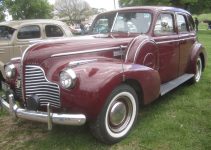
The Buick Roadmaster is a distinguished name in the realm of American automobiles, renowned for its luxury, style, and performance. With a legacy spanning several decades, the Roadmaster has left an indelible mark on automotive history. In this article, we delve into the fascinating story of the Buick Roadmaster, exploring its evolution, key features, and enduring legacy.
Buick Roadmaster – Origins and Early Years
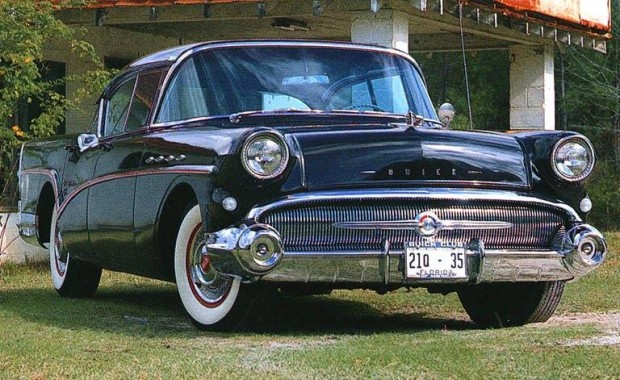
The Buick Roadmaster made its debut in 1936 as the range-topping model in Buick’s lineup. Designed by renowned General Motors designer Harley Earl, the Roadmaster was positioned as a premium offering, featuring elegant styling and advanced engineering. Its sleek lines, distinctive grille, and spacious interior set it apart from other cars of its time.
Evolution of Design
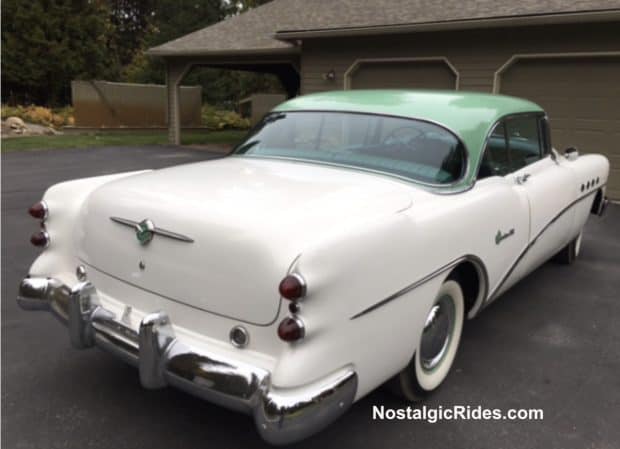
Over the years, the Buick Roadmaster underwent several design iterations, each reflecting the prevailing automotive trends and technological advancements of the era. From the sleek Art Deco styling of the 1930s to the bold chrome-laden designs of the 1950s and beyond, the Roadmaster evolved with the times while retaining its signature elegance and sophistication.
The Buick Roadmaster spanned several generations throughout its production history. Here are the main generations:
- First Generation (1936–1937):
- The inaugural generation of the Buick Roadmaster debuted in 1936 as a range-topping luxury car. It featured a distinctive waterfall grille and a powerful inline-eight engine.
- Second Generation (1938–1958):
- This generation saw significant design changes, including the adoption of streamlined styling in the late 1930s and the introduction of iconic portholes on the front fenders in the 1940s. The Roadmaster also underwent several redesigns during this period, reflecting post-war automotive trends.
- Third Generation (1991–1996):
- After a hiatus, Buick revived the Roadmaster nameplate in 1991 for a full-size rear-wheel-drive sedan. This generation featured a modern design and was powered by a V8 engine. It offered spacious interiors and a range of luxury amenities, catering to upscale buyers.
Each generation of the Buick Roadmaster represented a blend of luxury, performance, and style, contributing to its status as a revered classic in automotive history.
Engineering Excellence
Under the hood, the Buick Roadmaster was equipped with powerful engines designed to deliver smooth and effortless performance. In the 1940s and 1950s, it was powered by robust inline-eight and V8 engines, offering ample power for highway cruising and spirited driving. Buick’s commitment to engineering excellence ensured that the Roadmaster provided a refined and comfortable driving experience.

Luxury and Comfort
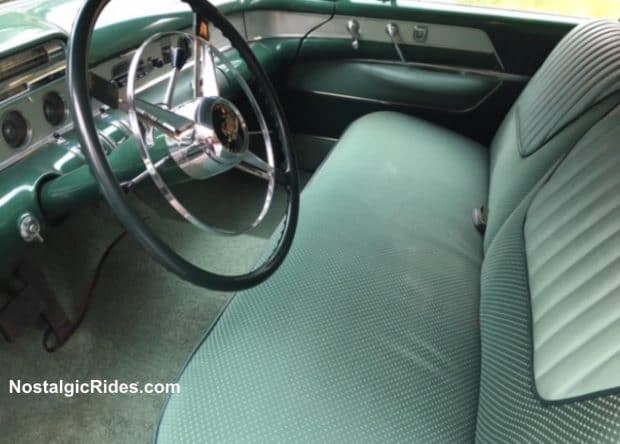
One of the hallmarks of the Buick Roadmaster was its luxurious interior appointments and amenities. From plush upholstery and spacious seating to advanced features like power windows, air conditioning, and AM/FM radios, the Roadmaster pampered occupants with a first-class experience. Its cavernous trunk provided ample space for luggage, making it an ideal choice for long-distance travel.
Enduring Legacy
Despite changes in consumer preferences and market dynamics, the Buick Roadmaster remained a symbol of prestige and refinement throughout its production run. Its timeless design, exceptional craftsmanship, and uncompromising quality earned it a loyal following among luxury car enthusiasts. Today, the Buick Roadmaster enjoys classic car status, cherished by collectors and admired by automotive aficionados worldwide.
Conclusion
The Buick Roadmaster stands as a testament to Buick’s commitment to excellence and innovation in the automotive industry. With its elegant design, powerful performance, and luxurious amenities, it captivated generations of drivers and left an indelible legacy in the annals of American automotive history. As a true icon of luxury and sophistication, the Buick Roadmaster continues to inspire admiration and awe, embodying the timeless allure of classic American automobiles.
FAQs About the Buick Roadmaster
What year was the Buick Roadmaster first introduced?
The Buick Roadmaster made its debut in 1936 as Buick’s flagship model.
How many generations of the Buick Roadmaster were produced?
The Buick Roadmaster underwent several generational changes throughout its production run, spanning from 1936 to 1996.
Was the Buick Roadmaster known for its spacious interior?
Yes, the Buick Roadmaster boasted a roomy interior with comfortable seating and generous legroom, making it ideal for long-distance travel.
How did the design of the Buick Roadmaster evolve over the years?
The design of the Buick Roadmaster evolved with changing automotive trends, transitioning from sleek Art Deco styling in the 1930s to bold chrome-laden designs in the 1950s and beyond.
What is the significance of the Buick Roadmaster in automotive history?
The Buick Roadmaster is celebrated for its role as a symbol of luxury and sophistication, embodying Buick’s commitment to excellence and innovation in the automotive industry.
Is the Buick Roadmaster considered a classic car today?
Yes, the Buick Roadmaster enjoys classic car status and is highly sought after by collectors and enthusiasts for its timeless design and historical significance.
What luxury features were available in the Buick Roadmaster?
The Buick Roadmaster came equipped with a range of luxury amenities, including power windows, air conditioning, AM/FM radios, and plush upholstery.
What were the engine options available for the Buick Roadmaster?
Over the years, the Buick Roadmaster was offered with various engine options, including inline-eight and V8 engines, known for their smooth performance and ample power.
What distinguished the Buick Roadmaster from other cars of its time?
The Buick Roadmaster was renowned for its luxurious amenities, powerful engines, and elegant styling, setting it apart as a premium offering in the automotive market.
How many units of the Buick Roadmaster were produced throughout its production run?
While exact production numbers vary by model year, thousands of units of the Buick Roadmaster were produced during its nearly six-decade-long production span.