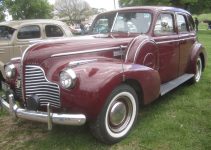
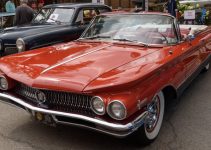
The Buick LeSabre holds a special place in automotive history as one of Buick’s longest-running nameplates, spanning several decades of production. From its debut in the 1950s to its final generation in the early 2000s, the LeSabre embodied Buick’s commitment to luxury, comfort, and reliability. In this article, we’ll explore the evolution of the Buick LeSabre, its key features, and its enduring legacy in the automotive world.
Buick LeSabre – Origins and Early Years
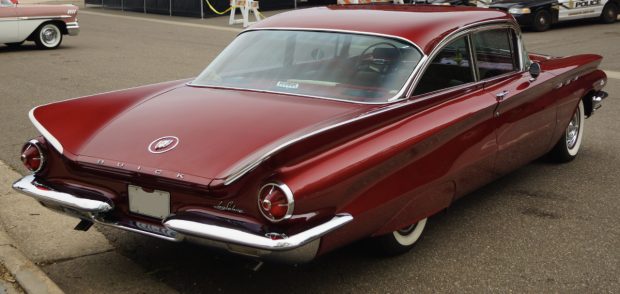
The Buick LeSabre made its debut in 1959 as a full-size luxury car positioned between the mid-range Buick Special and the range-topping Buick Roadmaster. It was named after the Le Sabre concept car, which showcased futuristic design elements that influenced the production model. The early LeSabre models featured sleek styling, spacious interiors, and powerful V8 engines, making them popular choices among American car buyers.
Design and Features
Throughout its production run, the Buick LeSabre underwent several redesigns and updates to keep up with changing automotive trends. The later generations of the LeSabre featured modern styling cues, including aerodynamic body shapes, chrome accents, and luxurious interior appointments. Advanced safety features, such as anti-lock brakes and airbags, were also introduced to enhance driver and passenger protection.
Performance and Powertrains
The Buick LeSabre was renowned for its smooth and comfortable ride, thanks to its refined suspension system and responsive handling. It was offered with a range of powertrain options over the years, including V6 and V8 engines paired with automatic transmissions. These powertrains delivered ample power and torque for effortless highway cruising and city driving.
Popularity and Sales Success
The Buick LeSabre enjoyed widespread popularity and sales success throughout its production run. It was lauded for its combination of luxury, comfort, and affordability, attracting a loyal customer base of families, professionals, and retirees. The LeSabre consistently ranked among the top-selling full-size sedans in the United States, cementing its reputation as a trusted and reliable vehicle.
Evolution
The Buick LeSabre, a flagship sedan in Buick’s lineup, underwent several generational changes throughout its production history. Here’s a breakdown of each generation:
- First Generation (1959–1960):
- The first-generation LeSabre debuted in 1959 as a full-size car, available in various body styles such as sedan, coupe, and convertible.
- It featured a sleek, aerodynamic design with distinctive styling elements like quad headlights and sweeping lines.
- Engine options included V8 powerplants for enhanced performance and driving dynamics.
- Second Generation (1961–1964):
- The second-generation LeSabre, introduced in 1961, received a redesign with updated styling and improved features.
- It continued to offer sedan, coupe, and convertible body styles, catering to diverse consumer preferences.
- Enhanced comfort features and advanced technology were introduced, making the LeSabre more luxurious and refined.
- Third Generation (1965–1970):
- The third-generation LeSabre debuted in 1965, featuring a larger and more spacious body design.
- It offered a range of engine options, including powerful V8 engines, to deliver a smooth and responsive driving experience.
- Interior amenities were upgraded, providing passengers with increased comfort and convenience during long journeys.
- Fourth Generation (1971–1976):
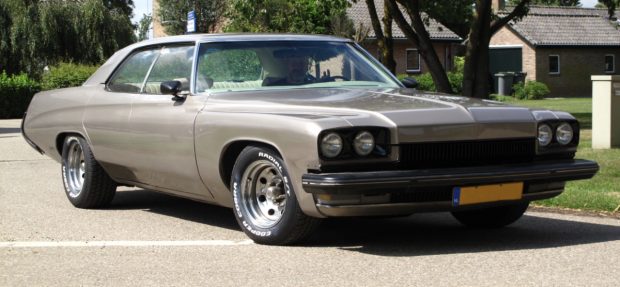
- The fourth-generation LeSabre, launched in 1971, underwent significant styling changes, adopting a more angular and squared-off appearance.
- It continued to prioritize comfort and luxury, offering plush seating, ample cabin space, and upscale features.
- Engine options included larger-displacement V8 engines, providing ample power for highway cruising and city driving.
- Fifth Generation (1977–1985):
- The fifth-generation LeSabre, introduced in 1977, underwent a downsizing in response to changing market demands and fuel efficiency regulations.
- It featured a more compact body design while retaining its luxurious and comfortable characteristics.
- Advanced safety features and modern conveniences were added, enhancing the overall driving experience for passengers.
- Sixth Generation (1986–1991):
- The sixth-generation LeSabre, launched in 1986, received a modernized exterior design with smoother lines and improved aerodynamics.
- It incorporated innovative technology such as fuel injection systems and electronic controls for enhanced performance and efficiency.
- Interior refinements included upgraded materials, advanced infotainment systems, and improved ergonomics for driver and passenger comfort.
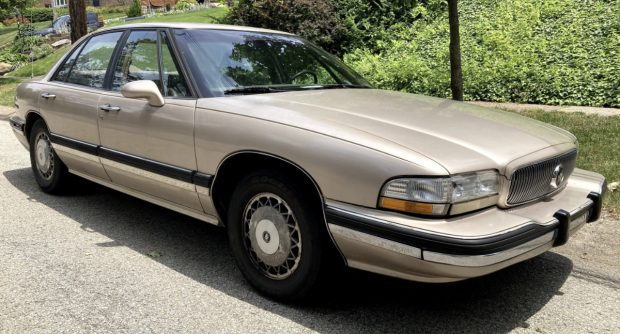
- Seventh Generation (1992–1999):
- The seventh-generation LeSabre, introduced in 1992, featured a more aerodynamic body design with rounded edges and improved fuel efficiency.
- It offered advanced safety features like anti-lock brakes and airbags, prioritizing passenger protection and security.
- Enhanced suspension systems and refined drivetrains contributed to a smoother and more responsive driving experience.
- Eighth Generation (2000–2005):
- The eighth-generation LeSabre, launched in 2000, marked the final iteration of the model before its discontinuation in 2005.
- It featured modern styling cues, including sleek body lines and updated front-end designs, reflecting contemporary automotive trends.
- The LeSabre continued to offer a comfortable and spacious interior, along with advanced features like traction control and stability control systems for improved handling and safety.
Throughout its eight generations, the Buick LeSabre remained a popular choice among consumers seeking a blend of comfort, performance, and reliability in a full-size sedan.
End of Production and Legacy
Production of the Buick LeSabre came to an end in 2005 after more than five decades on the market. Despite its discontinuation, the LeSabre left a lasting legacy as a quintessential American sedan that represented Buick’s values of craftsmanship, comfort, and dependability. Today, the Buick LeSabre remains a cherished classic car among enthusiasts, with well-maintained examples commanding attention at car shows and auctions.
Conclusion
The Buick LeSabre occupies a unique place in automotive history as a symbol of Buick’s commitment to luxury and innovation. From its humble beginnings in the 1950s to its final farewell in the 2000s, the LeSabre captivated drivers with its elegant design, refined performance, and unmatched comfort. While production may have ceased, the legacy of the Buick LeSabre lives on, reminding us of a bygone era of American automotive excellence.
FAQs About the Buick LeSabre
When was the Buick LeSabre first introduced?
The Buick LeSabre made its debut in 1959 as a full-size luxury car.
What types of engines were available in the Buick LeSabre?
The Buick LeSabre offered a range of engines over the years, including V6 and V8 options.
Was the Buick LeSabre known for its fuel efficiency?
While fuel efficiency varied depending on the engine and model year, the Buick LeSabre was generally considered a comfortable and smooth ride rather than a fuel-efficient vehicle.
What was the average lifespan of a Buick LeSabre?
With proper maintenance, a Buick LeSabre could last well over 100,000 miles, and many owners reported driving them for several hundred thousand miles.
How does the Buick LeSabre compare to other full-size sedans of its time?
The Buick LeSabre was often praised for its comfortable ride, spacious interior, and smooth performance, making it a popular choice among full-size sedan buyers.
Did the Buick LeSabre have any common mechanical issues?
Like any car, the Buick LeSabre had its share of common issues, including transmission problems, electrical issues, and suspension wear, depending on the generation and maintenance history.
How spacious was the interior of the Buick LeSabre?
The Buick LeSabre was known for its spacious interior, offering ample legroom and headroom for both front and rear passengers.
What safety features were included in the Buick LeSabre?
Depending on the generation, the Buick LeSabre may have featured anti-lock brakes, airbags, traction control, and other safety systems.
How many generations of the Buick LeSabre were produced?
The Buick LeSabre spanned eight generations from 1959 to 2005.
Is the Buick LeSabre considered a classic car?
Yes, the Buick LeSabre is now considered a classic car by many enthusiasts, and well-maintained examples are sought after by collectors.