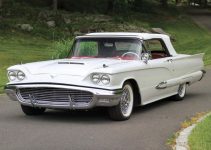
The Ford F-Series trucks have been a cornerstone of American automotive history for decades, renowned for their ruggedness, versatility, and enduring popularity. Among the earliest iterations of this iconic lineup is the Ford F-series, which played a pivotal role in shaping the modern pickup truck landscape. From its inception in the late 1940s to its evolution over subsequent generations, the Ford F-Series trucks have left an indelible mark on the automotive industry.
Origins of the Ford F1 Series
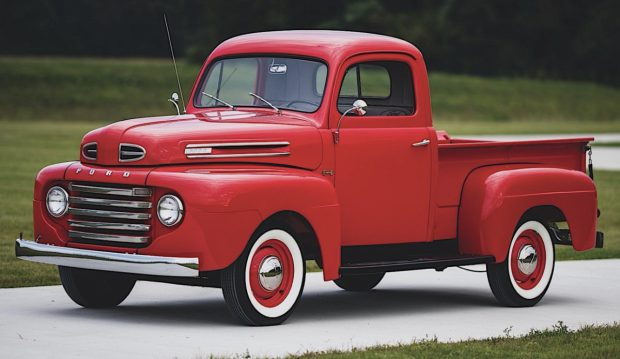
The Ford F1 series made its debut in 1948 as part of Ford’s F-Series lineup, which aimed to provide customers with reliable and capable work trucks. The F1 designation denoted half-ton trucks, positioning them as versatile vehicles suitable for both commercial and personal use.
Design and Features
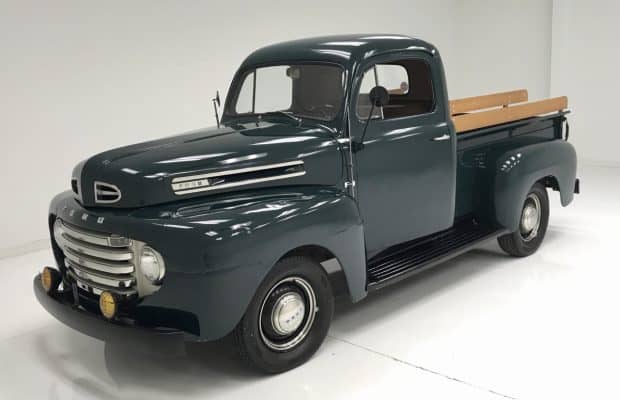
The design of the Ford F1 trucks reflected the utilitarian ethos of the era, with a sturdy steel body, simple yet functional interiors, and robust chassis. The iconic grille, distinctive fenders, and rounded cab gave the F1 series a timeless aesthetic that continues to resonate with truck enthusiasts today.
Powertrain Options
Ford offered a range of powertrain options for the F1 series, including inline-six and V8 engines paired with manual transmissions. These engines delivered dependable performance and ample torque, making the F1 trucks well-suited for towing, hauling, and everyday driving.

Evolution and Innovations
Over the years, the Ford F1 series underwent several updates and improvements, incorporating technological advancements and design refinements. From hydraulic brakes and improved suspension systems to enhanced safety features and more powerful engines, each generation of F1 trucks built upon the legacy of its predecessors.
The Ford F1 Series Trucks went through several generations during their production run. Here are the first three generations:
- First Generation (1948-1952):
- Introduced in 1948 as part of Ford’s F-Series lineup.
- Featured a rounded cab design and iconic horizontal-bar grille.
- Offered with inline-six and V8 engine options.
- Second Generation (1953-1956):
- Introduced significant styling updates, including a new grille design and revised bodywork.
- Featured larger windshield and integrated headlights.
- Engine options continued to include inline-six and V8 engines.
- Third Generation (1957-1960):
- Received further design refinements, including a wider and lower cab.
- Adopted quad-headlight design for improved visibility.
- Offered with more powerful engine options to meet increasing demand for performance.
These generations represent the major evolutionary stages of the Ford F1 Series Trucks, each bringing improvements in design, performance, and functionality to meet the changing needs of truck buyers over the years.
Cultural Impact and Legacy
The Ford F1 series played a significant role in shaping American culture and identity, symbolizing hard work, reliability, and the spirit of the open road. These trucks became emblematic of the American dream, representing freedom, adventure, and the pursuit of success.
Conclusion
The Ford F1 series trucks are not merely vehicles; they are symbols of American ingenuity, resilience, and craftsmanship. From their humble beginnings as utilitarian workhorses to their status as beloved icons of the automotive world, the F1 trucks have stood the test of time and continue to inspire generations of truck enthusiasts. Whether on the farm, construction site, or suburban streets, the Ford F1 series remains a testament to the enduring legacy of the American pickup truck.
FAQs About the Ford F1 Series Trucks
What is the Ford F1 Series?
The Ford F1 Series trucks were part of Ford’s F-Series lineup introduced in 1948, designed as half-ton work trucks for various commercial and personal uses.
What are the engine options available for the Ford F1 trucks?
Engine options for the Ford F1 trucks included inline-six and V8 engines, providing a range of power and torque for different hauling and towing needs.
How many generations of the Ford F1 Series were produced?
The Ford F1 Series underwent several generations over its production span, with significant updates and changes occurring over the years.
What is the towing and payload capacity of the Ford F1 trucks?
The towing and payload capacity varied depending on the specific model year and engine configuration, but Ford F1 trucks were known for their robust hauling capabilities.
What are some common features of the Ford F1 trucks?
Common features of the Ford F1 trucks included a sturdy steel body, iconic grille design, rounded cab, and functional interiors tailored for rugged use.
Were there any notable design changes throughout the production of the Ford F1 Series?
Yes, the Ford F1 Series underwent design changes and refinements over the years, reflecting evolving automotive trends and technological advancements.
What are some key factors to consider when purchasing a Ford F1 truck?
Factors to consider include the truck’s condition, maintenance history, availability of spare parts, and any modifications or upgrades made to the vehicle.
Are there any resources available for Ford F1 truck enthusiasts?
Yes, there are online forums, clubs, and publications dedicated to Ford F1 truck enthusiasts, providing valuable information, resources, and community support for owners and enthusiasts alike.
How reliable are Ford F1 trucks for daily driving?
Ford F1 trucks are renowned for their durability and reliability, making them suitable for daily driving when properly maintained and serviced.
Are Ford F1 trucks suitable for restoration projects?
Yes, Ford F1 trucks are popular choices for restoration projects due to their classic design, availability of parts, and enthusiast support within the classic truck community.