The Pontiac Firebird Trans Am holds a special place in the hearts of automotive enthusiasts as one of the most iconic muscle cars ever produced. With its aggressive styling, powerful engines, and legendary performance, the Trans Am became a symbol of American muscle and automotive excellence. In this article, we’ll explore the rich history, distinctive features, and enduring legacy of the Pontiac Firebird Trans Am.

Origins of the Pontiac Firebird Trans Am
The origins of the Pontiac Firebird Trans Am can be traced back to 1969 when Pontiac introduced the Firebird as a pony car to compete with the Ford Mustang. The Trans Am package, named after the Sports Car Club of America’s Trans-American Championship racing series, was added as a high-performance option for the Firebird lineup.
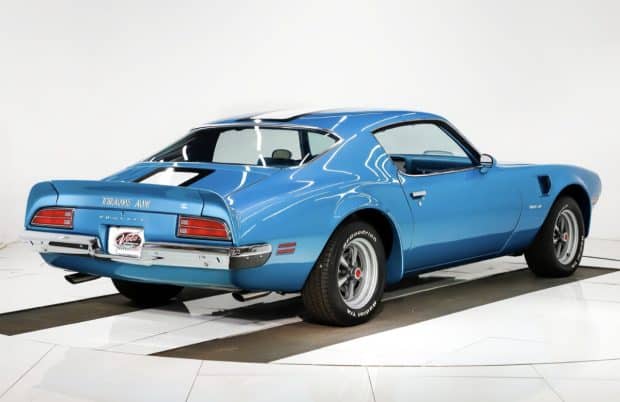
First Generation (1969-1973)
The first-generation Trans Am debuted in 1969 and featured distinctive styling cues such as a unique front grille, hood scoops, and iconic “screaming chicken” decal on the hood. It was available with a range of V8 engines, including the legendary Ram Air III and Ram Air IV options, delivering impressive performance on the street and track.
Second Generation (1974-1981)
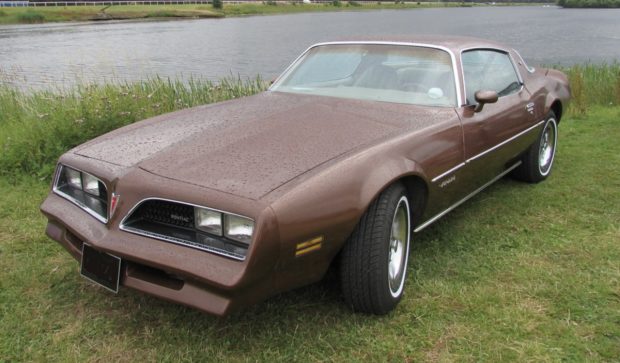
The second-generation Trans Am, often referred to as the “screaming chicken” era, featured more aggressive styling with bold graphics and larger hood scoops. It became synonymous with the 1977 “Smokey and the Bandit” film, starring a black and gold Trans Am driven by actor Burt Reynolds. This era also saw the introduction of the legendary Pontiac 400 and 455 V8 engines.
Third Generation (1982-1992)
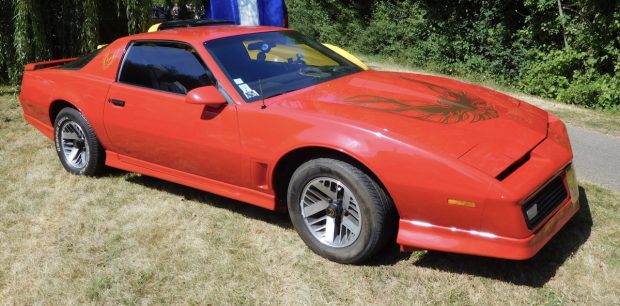
In 1982, Pontiac introduced a redesigned third-generation Trans Am with a sleeker, more aerodynamic body style. It featured pop-up headlights, a functional hood scoop, and a distinctive “aero” rear spoiler. The Trans Am continued to offer powerful V8 engines, including the fuel-injected 5.0-liter and 5.7-liter options.
Fourth Generation (1993-2002)
The fourth-generation Trans Am, introduced in 1993, featured a modernized design with smoother lines and updated styling elements. It was powered by the potent LT1 and LS1 V8 engines, delivering impressive horsepower and torque figures. The Trans Am’s performance and handling capabilities were further enhanced with features like four-wheel disc brakes and a performance-tuned suspension.

Legacy and Cultural Impact
The Pontiac Firebird Trans Am left an indelible mark on automotive history and popular culture. Its distinctive styling, powerful engines, and legendary performance have earned it a devoted fan base and cemented its status as an icon of American muscle cars. Today, the Trans Am remains a highly sought-after collector’s car, with enthusiasts continuing to celebrate its legacy at car shows, races, and enthusiast gatherings.
Conclusion
The Pontiac Firebird Trans Am remains a timeless symbol of American muscle car prowess, with each generation leaving its mark on automotive history. From its origins in the late 1960s to its enduring legacy in popular culture, the Trans Am continues to captivate enthusiasts with its distinctive styling, powerful engines, and legendary performance.
As an icon of American automotive excellence, the Pontiac Firebird Trans Am will always hold a special place in the hearts of muscle car enthusiasts around the world.
FAQs About the Pontiac Firebird Trans Am
What does “Trans Am” stand for in Pontiac Firebird Trans Am?
“Trans Am” stands for Trans-American, paying homage to the Sports Car Club of America’s Trans-American Championship racing series.
What engine options were available for the Pontiac Firebird Trans Am?
The Pontiac Firebird Trans Am was available with a range of V8 engines, including the legendary Ram Air III and Ram Air IV options in the first generation and the potent LT1 and LS1 V8 engines in later generations.
Was the Pontiac Firebird Trans Am featured in any movies or TV shows?
Yes, the Pontiac Firebird Trans Am gained widespread fame after appearing in the 1977 film “Smokey and the Bandit,” starring Burt Reynolds, where it was driven by the character Bandit.
What are some notable features of the Pontiac Firebird Trans Am?
Notable features of the Pontiac Firebird Trans Am include its aggressive styling, hood scoops, “aero” rear spoiler, and pop-up headlights in later generations.
Are Pontiac Firebird Trans Am models collectible today?
Yes, Pontiac Firebird Trans Am models are highly collectible today, with certain generations and limited-edition models commanding high prices among enthusiasts and collectors.
Was the Pontiac Firebird Trans Am available with manual or automatic transmissions?
The Pontiac Firebird Trans Am was available with both manual and automatic transmissions, depending on the model year and trim level.
How many generations of the Pontiac Firebird Trans Am were produced?
The Pontiac Firebird Trans Am was produced in four generations from 1969 to 2002.
What is the significance of the “screaming chicken” decal on the hood?
The “screaming chicken” decal, officially known as the phoenix, was a distinctive styling cue of the Pontiac Firebird Trans Am, representing the bird rising from the ashes and symbolizing power and freedom.
When was the first Pontiac Firebird Trans Am produced?
The first Pontiac Firebird Trans Am was produced in 1969 as a high-performance option for the Firebird lineup.
What contributed to the discontinuation of the Pontiac Firebird Trans Am?
The discontinuation of the Pontiac Firebird Trans Am in 2002 was largely due to declining sales, changing market trends, and General Motors’ decision to phase out the Pontiac brand.